


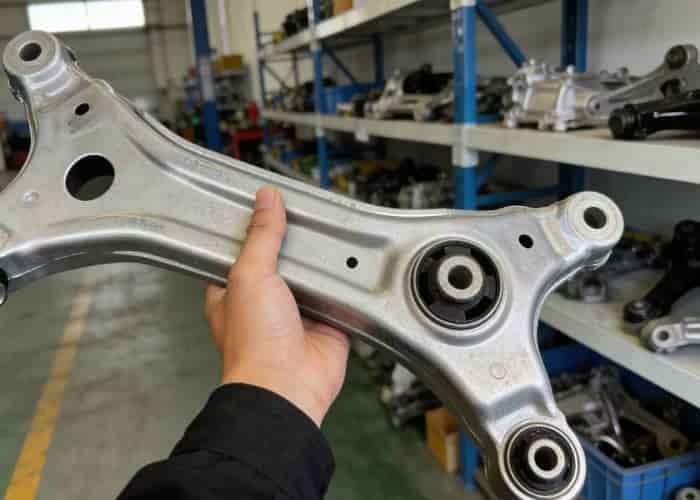
New Energy Chassis Subframe: Why Is It Called the “Stability Cornerstone” of the Body? The new energy chassis subframe is dubbed the “stability cornerstone” of the body due to its pivotal role in structural support, vibration isolation, handling optimization, and safety protection.
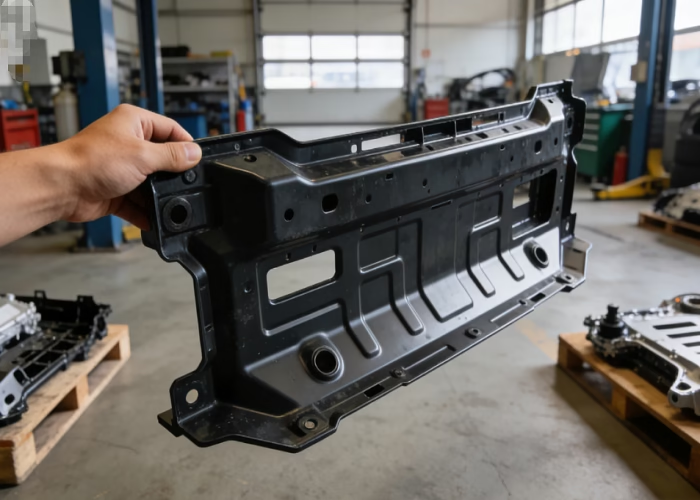
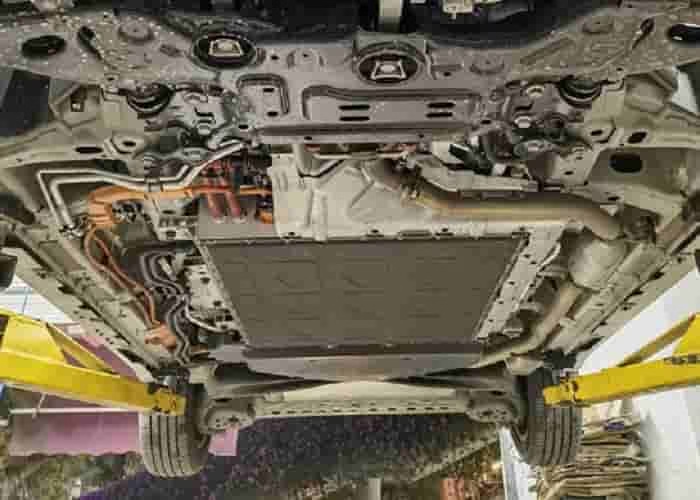
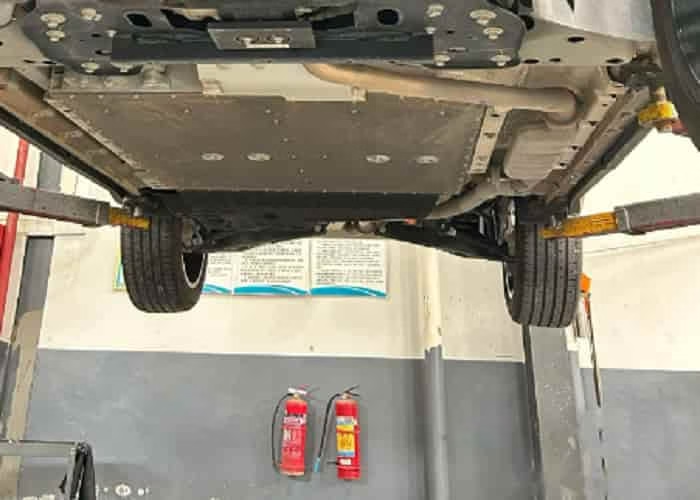
The subframe functions as the chassis‘s “invisible skeleton.” It does not directly bear the body’s weight but instead provides a stable mounting platform for the suspension system, steering mechanism, and powertrain through high-strength materials and precision engineering. This design enables the vehicle to transmit road feedback more accurately during driving, especially on complex road surfaces, while minimizing body distortion and deformation.
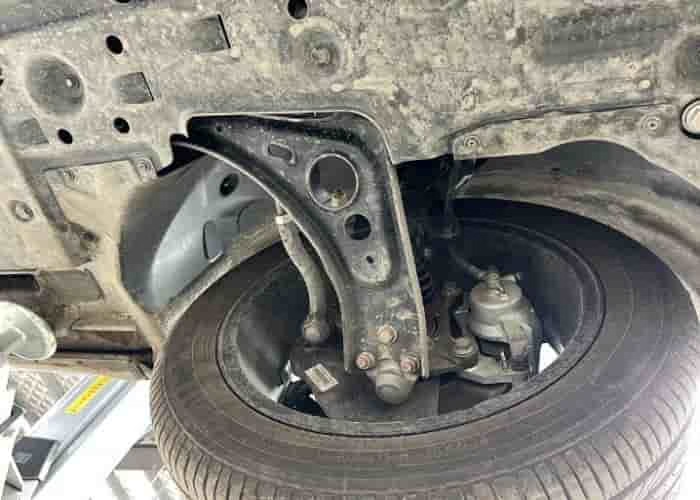
In traditional monocoque bodies, the suspension connects directly to the body, allowing road vibrations to transmit directly through the metal structure into the cabin, compromising comfort. The subframe acts as a “buffer layer” between the suspension and the body.
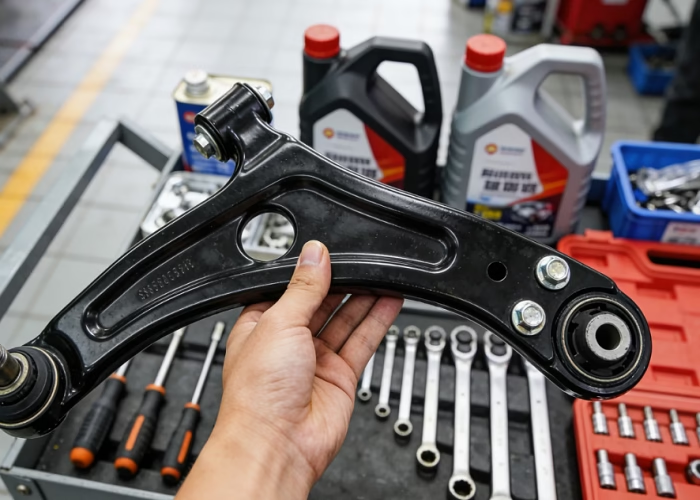
Regarding handling optimization, the subframe enhances dynamic performance through precise geometric layout and material selection. The aluminum alloy subframe leverages its lightweight advantage to reduce unsprung mass, enabling quicker suspension response and more responsive steering.
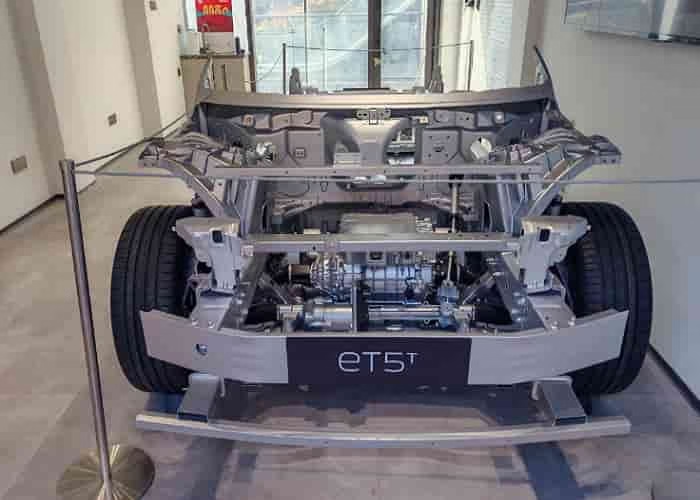
In terms of safety protection, the subframe acts as an “energy absorber” during collisions. The full-frame subframe, featuring multi-point connections and crumple zone design, effectively protects the battery pack and passenger compartment during frontal collisions, providing additional safety assurance for new energy vehicles.
New Energy Vehicle Subframe: Why Is It Called the “Stabilizing Foundation” of the Body? With advancements in materials science and manufacturing processes, subframe design will continue to evolve, injecting stronger momentum into the lightweight and intelligent development of new energy vehicles.




Leave a Reply